When you purchase through links on our website , we may earn an affiliate perpetration . Here ’s how it work .
scallywag that lurch the forests of Argentina after dark prefer the light of the full Sun Myung Moon , according to a new study . The findings suggest that for some nocturnal monkeys , Moon trumps their inner biological clock for set quietus docket .
Owl rascal in Central and South America are the only primates to stick to to strict nocturnal patterns . But one eccentric of owlmonkey , the Azara ’s owl monkey , can switch from a nocturnal agenda to one that includes activity during the Clarence Day and night .
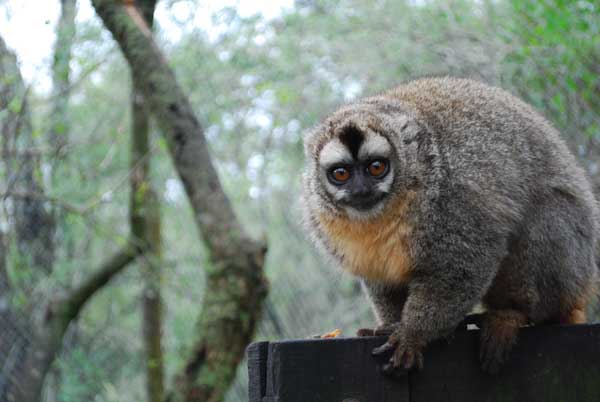
Azara’s Owl Monkey.
To find out what triggers the Azara ’s owl rapscallion ’s foreign docket , researcher fitted wild monkeys with collars that would tape when they were active . They then monitored the monkeys for up to 18 months .
They learned that the monkeys much preferent fondness and light over frigidness and dark . Nocturnal activity was more coarse during the fond calendar month of September to March than during cold months . On nights when the full moon wax , monkey activity peak ; the next morning , the tire - out scamp often slept in . When the moon was novel ( and so not visible from Earth ) , however , rapscallion hunkered downfor the night and waitress for morning before moving about . During three lunar eclipse ( when the moonshine moves into the Earth ’s shadow ) during the course of the study , the scalawag also stayed put .
The intellect for the monkeys ' increased activeness seems to be the extra Christ Within put out by the full moon , rather than any sort of mystical lunar force . Studies have failed to obtain any widespread effects of the full moonlight on humans and animals , despite manyfull moon phratry myth .

The findings suggest that environmental factors are as authoritative to the primates as theirinternal biological clock . According to the researchers , this study provide the first farseeing - term grounds that factors like temperature and easy subject for primates ' nap schedules in the wild .
" If there was a biologic clock that they were depending on to determine this activity , you could expect the bodily process to continue even in the absence seizure of lunar light , " said work researcher Horacio de la Iglesia of the Department of Biology at the University of Washington .
The findings are detail in the current progeny of the journal PLoS ONE .